

Why We Write
On writing so others might be seen.

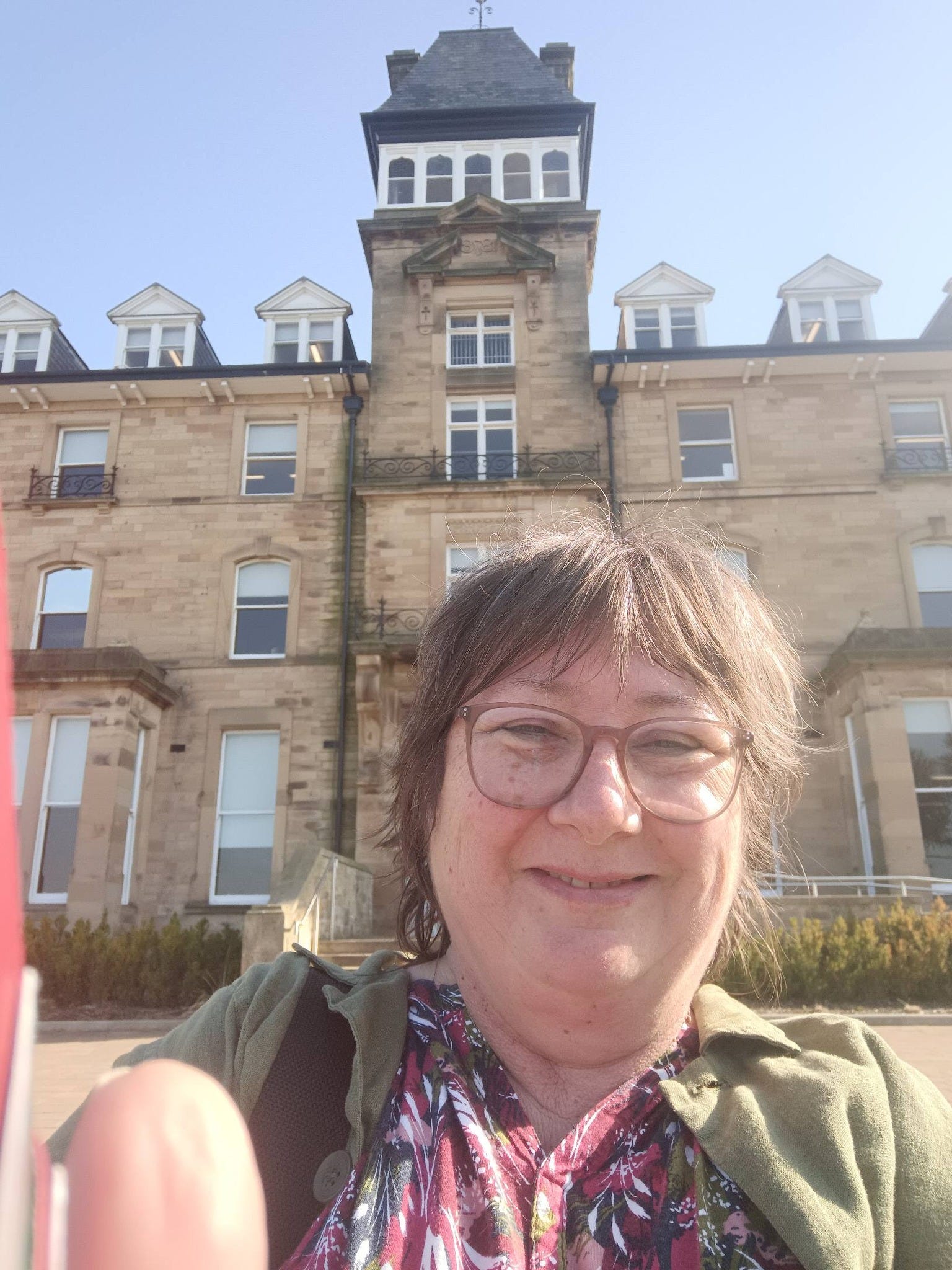
I want to tell you a true story that happened on 5th March, World Book Day, 2026, when I was invited back into my local high school to take my place at a Creative Careers Convention. Not so much standing at the front and giving an author talk as I had done previously, but more a case of engaging students in conversation as they were shepherded into the main hall where various creative bods sat behind tables ringed around the edge of the hall. I shared a table with a chap called Tom from Hays Travel, who talked about careers as a travel rep, and to my left was a woman with a remote control digger from the local engineering company, RED.
The students were herded into the hall, some forthcoming, eager to chat, others more reticent. There was the added incentive of tokens that could be collected for asking us interesting questions. A group of girls approached, skirts rolled at the waistband, long legs tanned, hair styles cloned, and we chatted about books. I asked if they read, and they did, but only for English, and only at school. Did they write? Diaries? Nope. I then asked the questions, fascinated by the length and thickness of their false eyelashes and the creativity with which their make-up had been applied. Was it not a problem keeping one’s eyelids open with such weight on them? They then sidled up to the guy from Hays Travel and started to talk about their favourite holiday destinations.
A student then approached, alone, reticent, with oily hair that came right over the front of their face, as if to hide their features. They wore grey trousers, a little too short, a white shirt, and a tie with a pink-and-blue horizontal-striped badge at the knot. Did they write? I asked. They whispered, ‘Yes, poetry,’ but quickly lowered their gaze to the table top, placing their index finger on their lips, indicating, ‘Ssh!’ and looked nervously towards the gaggle of girls who were talking about Tenerife with Tom.
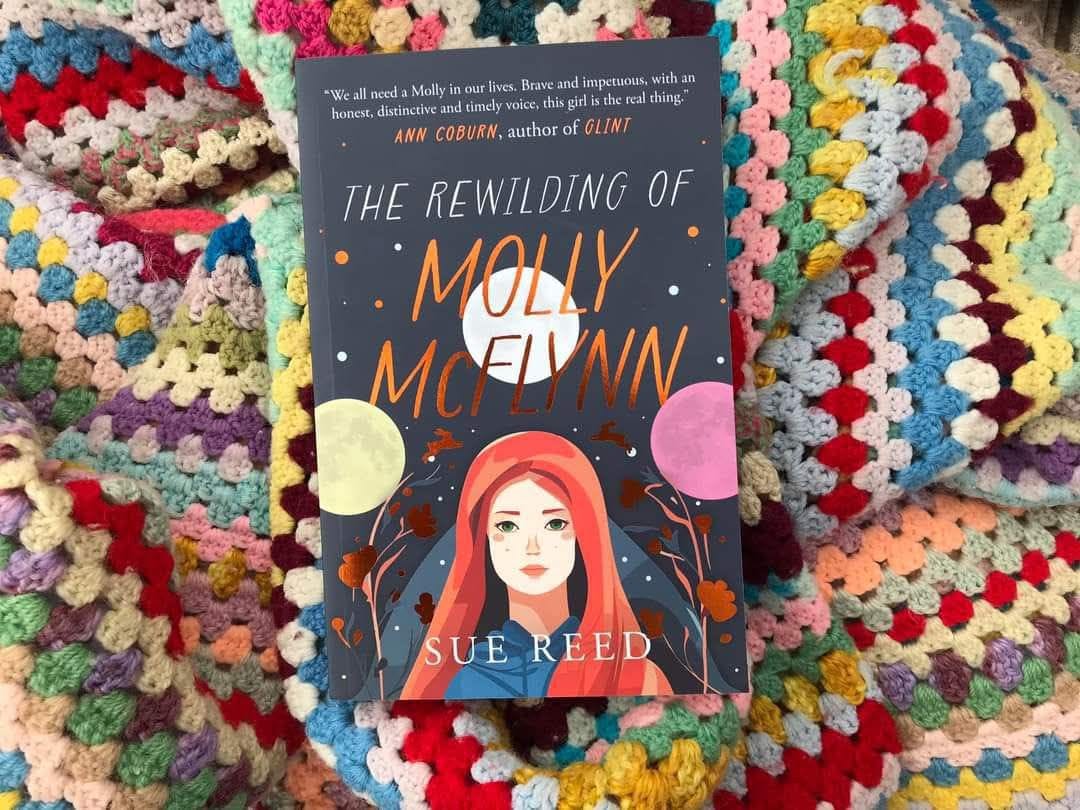
‘It’s okay,’ I said, ‘I’ll do the talking for now.’ I said, picking up a copy of The Rewilding of Molly McFlynn and explaining that it is a book about ‘othering’ and daring to be different. The protagonist, Molly, struggles to fit in, but learns over the course of the book that it’s okay to be her, to be her own, unique, individual self.
The group of girls moved on, and this student lifted their head, moved the hair from their face, and looked me in the eye.
‘You’ve written a book with me in it,’ they said.
Wow! That took the wind from my sails for a second, as the emotion rose in my throat.
‘It’s so important we write out truth,’ I said, and wished them well with their poetry writing.
I went back into school a week later, invited by the Head of Year, to meet up with this student again and give them a signed copy of my book and my email address so they could keep in touch if they so wished.
They gave me so much to think about: about why we write, and what we write.
If, by what we write, we can help one person be seen, feel less alone, then surely that is the reward for baring our souls, for writing our truth, and is worth far more than any subscriber upgrades, royalties or payments from book sales?
Have you read something that helped you be seen?
I devoured jeanette winterson’s Oranges are Not the Only Fruit, reading about someone else who was brought up in a strict fundamental household, with a mother who was incapable of showing unconditional love, and then underlined and copied out swathes of her book, ‘Why Be Happy When You Could Be Normal?’ I saw myself on the page!! I saw someone with the courage to write their truth and, in doing so, showed me it was okay to write mine.
I’m back now to my editing desk, where I’m getting the final draft of my second novel ship shape and ready to send to my editor. I have promising news about publication, but I won’t jinx it just yet by making a big announcement. However, watch this space!
Book Two in the Molly McFlynn series will be a story in which the tragic felling of the tree at Sycamore Gap is interwoven with Molly's experiences of grief, both personal and collective, as she fights for the protection of trees.
But for now, have you read book one, The Rewilding of Molly McFlynn?
Next week, we will be welcoming Eleanor Anstruther into The Book Room with her latest book, Fallout, A dazzling, defiant coming-of-age novel set against the backdrop of the Greenham Women's Peace Camp—where punk, protest, and unexpected love collide.
Sue! This brought a tear to my eye, how lovely to connect with a reader like that. That will stay with them forever.
I LOVE Jeanette Winterstone. Why be happy when you can be normal was amazing! I remember watching the TV series of oranges are not the only fruit in the eighties secretly in the spare room! You reminded me to recommend it to my daughter who is gay. 🙏🏻
This reminds me of my years working as a career counselor and organizing career events for students. I loved to see individuality amongst the general herd of students (pardon the farming metaphor). And I know from experience the value of role models like you Sue in helping young people and adults be seen 👍😁